CSERM UNAS » Blog Archives

Author Archives: Admin Cserm

News Projects

Pastures New & Blue: Blue Carbon Sea Cucumber Ranching in Sulawesi’s Seagrass Meadows

Published by:

Indonesia is a global hotspot of coastal biodiversity, a sprawling archipelago including more than 17,000 tropical islands. Yet the nation’s growing population and demand for resources is placing increasing pressure on coastal habitats from mangroves to mud flats, coral reefs and seagrass meadows. While overfishing threatens pelagic populations of tuna and other large species, coastal waters are threatened from all sides by development projects, pollution, prop scarring, illegal fishing using bombs or poison, and the overexploitation of their more easily accessible resources. In South Sulawesi’s Selayar Archipelago, as across much of the country, it’s the men who head out on fishing expeditions, often for weeks at a time, leaving the island’s coastal seagrass meadows primarily in the hands of their wives and daughters, both as custodians and collectors of everything from crabs and snails to sea cucumbers. Empowering women with the skills to sustainably manage and utilise the resources of these critically carbon-rich and biodiverse habitats is an essential step towards truly comprehensive conservation of Indonesia’s uniquely rich seas.
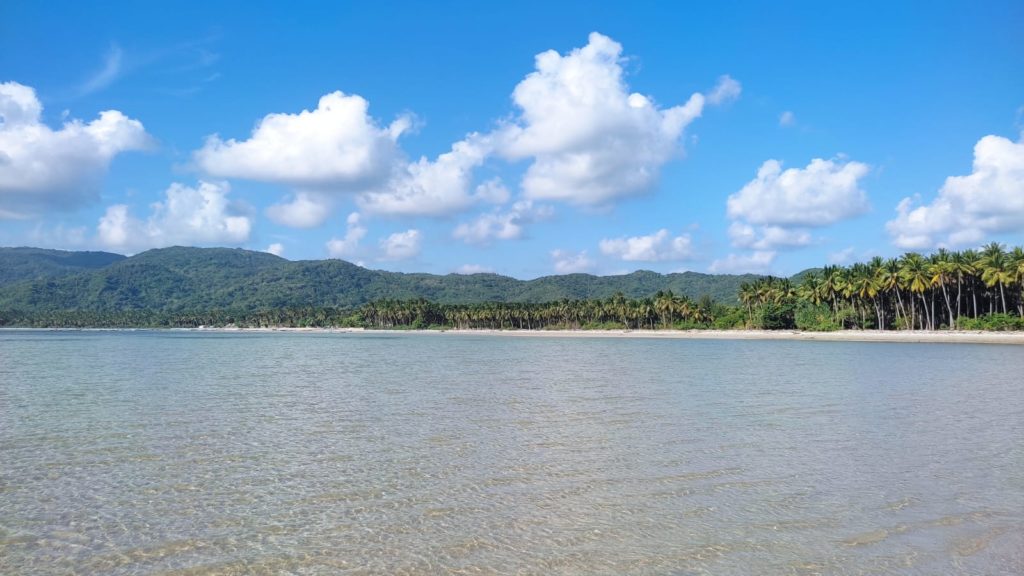
 

Selayar Islands, one of the largest archipelago in Indonesia


Seagrass meadows are a frequently overlooked marine habitat, occupying a relatively narrow area between the land and the sea. While at first glance they may seem unremarkable, they are in fact a biodiversity hotspot, providing nurseries for up to 20% of the world’s most important commercial fish species, as well as countless other sea grass specialists such as rays, sea horses, crustaceans, molluscs, and other invertebrates. They also play a crucial role in maintaining the water quality necessary for healthy growth in adjacent coral reefs, indirectly supporting some of our planet’s most vibrant ecosystems, and absorb so much atmospheric carbon per square metre that they are often referred to as ‘blue forests.’ Much like the mangrove forests they are often found near, the secret to sea grass’ staggering productivity lies in the constant fluctuations of high and low tide which define their ecology, providing niches and opportunities for myriad different species within every 24-hour cycle. Though found only in shallow, well-let, coastal waters, it’s when the tide is at its lowest when foragers from Selayar’s coastal villages descend to harvest the sea grass’ riches, everything from crabs and lobsters to seaweed, and, of course, sea cucumbers.
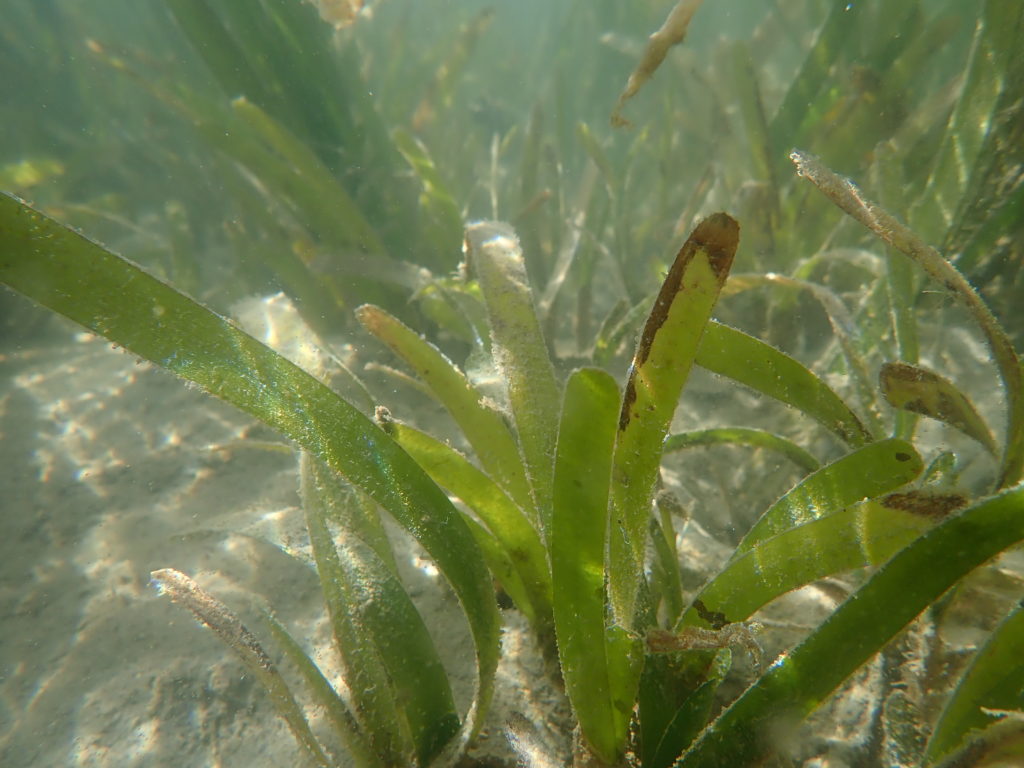
 

Seagrass in Selayar, dominated by Enhalus acoroides


They may be a rather unassuming species to look at, but sea cucumbers are among the most important residents of any tropical seagrass meadow. They are typically the largest permanent residents, and the largest contributor of faunal biomass by weight, playing a vital role in the cycling of nutrients and oxygenation of sediments through their regular habit of burrowing, both of which support healthy growth of the sea grass itself. Not only that, but many species fetch a high price on international markets, utilised for everything from food and medicine to various cosmetic ingredients. Unfortunately, this also means they are frequently overexploited, a pattern which exhausts local populations and ultimately undermines the integrity of the seagrass ecosystems they help to shape. Maintaining viable sea cucumber populations in their natural habitats is therefore an important part of wider efforts to conserve seagrass, and an opportunity to engage local communities in stewardship of these unique marine meadows.
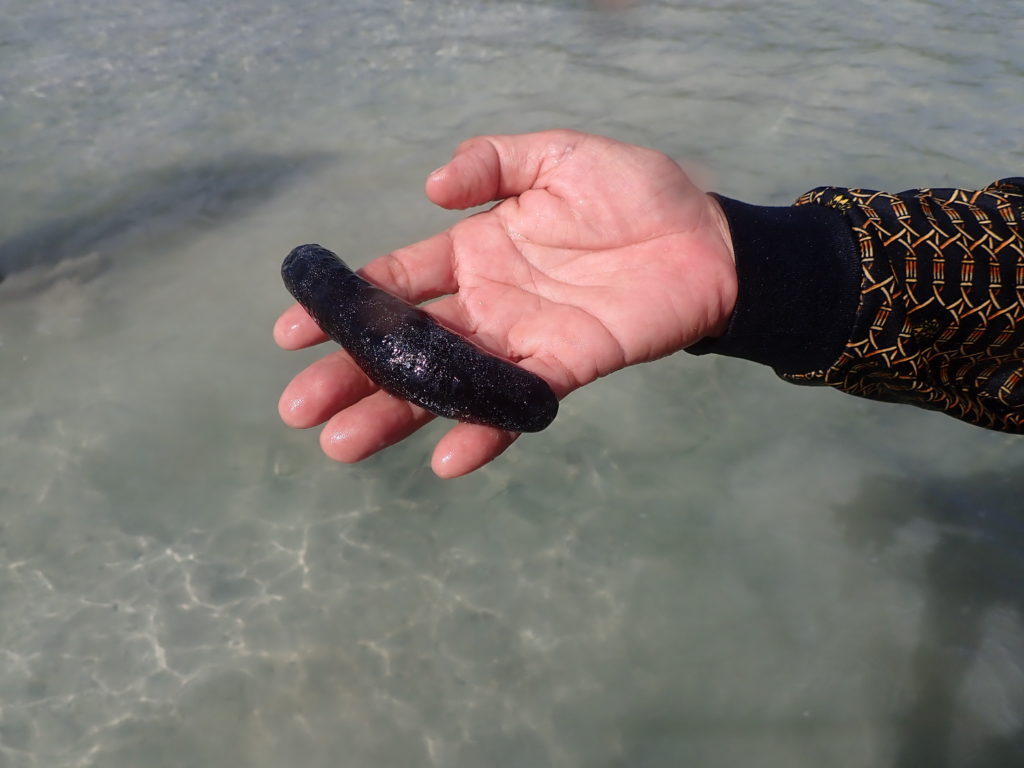
 

Black sea cucumber (Holothuria atra) found in Selayar coastal area


As part of the Darwin Initiative, the Centre for Sustainable Energy and Resources Management at Indonesia’s National University is piloting sustainable sea cucumber ranching in Selayar’s seagrass meadows, part of the Takabonerate-Kepulauan Selayar Biosphere Reserve, bridging the gap between local interests and global concerns via an innovative approach to producing one of the world’s most sought-after seafood specialities – white sandfish (Holothuria scabra). Our field teams are conducting ongoing and comprehensive habitat assessments to identify ideal locations for developing this semi-wild approach to aquaculture, in which sea cucumbers are released into coastal seagrass meadows, monitored and managed by local residents, before being harvested for sale and processing. By ensuring a stable population of these important invertebrates in their natural habitat, this project not only protects an endangered species and the ecosystem which they help sustain, but will also provide significant income for Selayar’s women at a time when overfishing and population pressures leave households dependent entirely on fishing increasingly vulnerable.
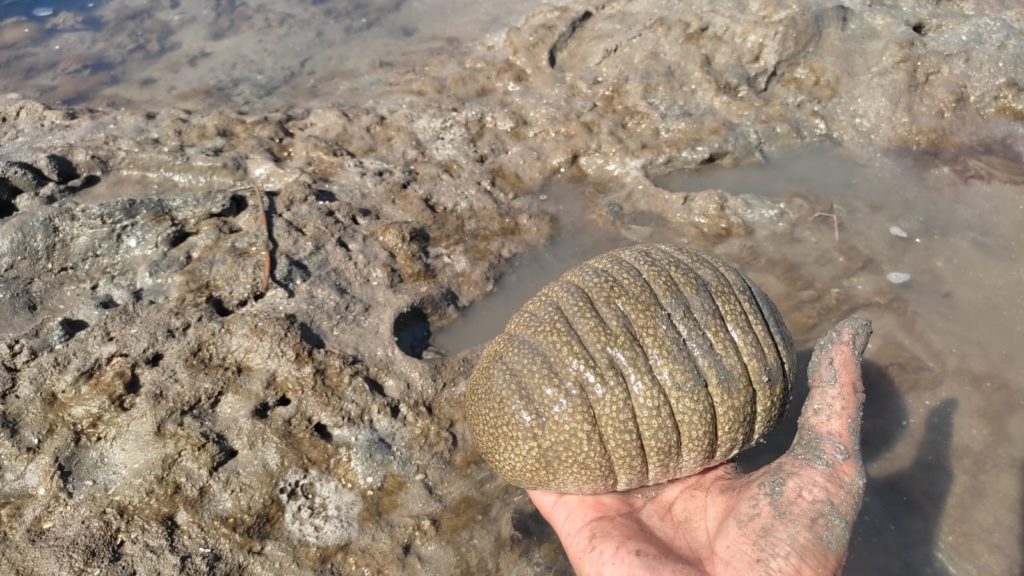
 

Sandfish (Holothuria scabra) reared in PT SPK, Lombok


Meeting the needs of all the stakeholders in this project involves innovation at every stage, from modifying established methodologies to suit the specific hydrological and ecological conditions of Selayar’s coastline to building partnerships with the private sector and government institutions. We have been working with a well-established sea cucumber producer to develop a grow-out and buy-back model to ensure fair and predictable income for participants, as well as with local development agencies and the Marine and Fisheries Ministry to ensure the necessary support for integrating blue carbon sea cucumber ranching into the regional economic system. The intention is to develop a bottom-up framework for sustainable utilisation of seagrass meadows with support at every level, and in-built incentives to ensure that the value of these vital blue carbon sinks is recognised for the benefits it brings to local residents as well as the global community.
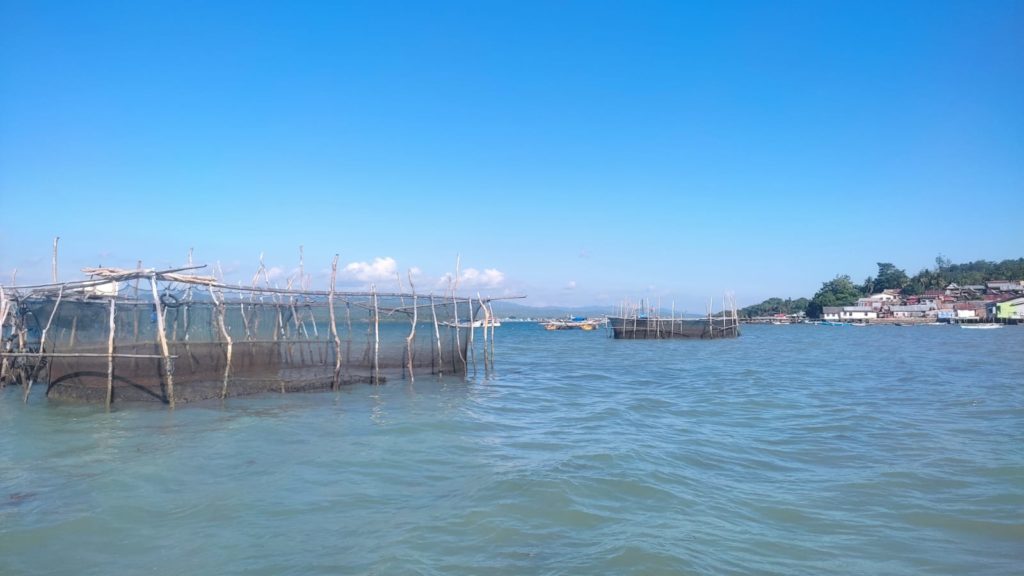
 

Pen culture in Selayar


Darwin Initiative funding has been instrumental in our ongoing efforts to realise a new model of coastal conservation for Indonesia’s small islands, reconnecting the economic interests of local communities with the health of the ecosystems on which they depend.


Writer: Christopher Kelly

Editor: Qurratu Ainin

Images courtesy: CSERM UNAS


This article is part of the project ‘Developing Sustainable Near-shore Sea Cucumber Aquaculture on Selayar Island, Indonesia’ (Project ID: 30-025).




Funded by the UK Government through Darwin Initiative
News Projects

Wallace Symposium; Commemorating 200 Years of the Birth of Alfred Russel Wallace

Published by:

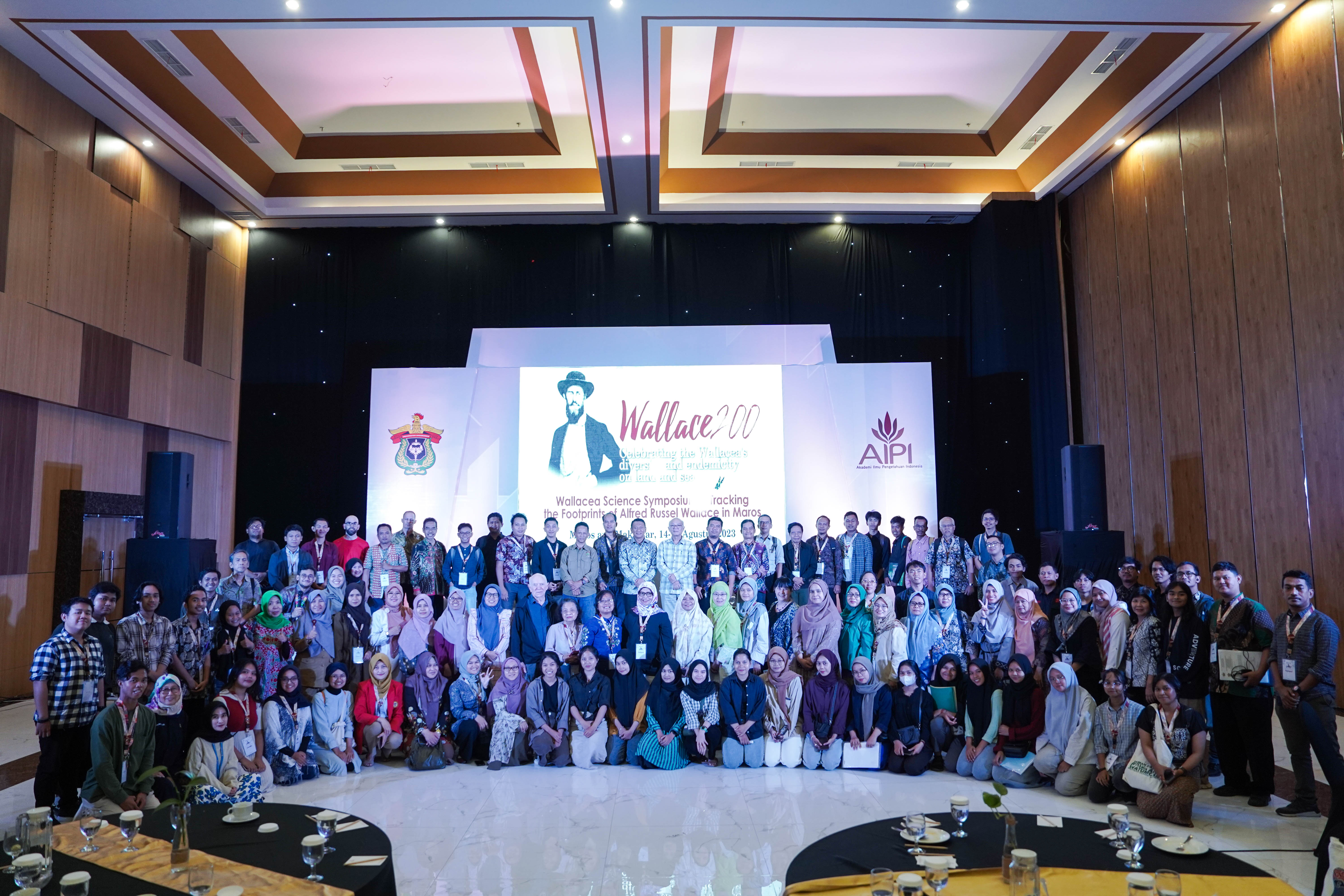
In commemoration of the 200th Anniversary of Alfred Russel Wallace’s Birth, Hasanuddin University in collaboration with the Indonesian Academy of Sciences (AIPI) held a symposium titled “Wallace Science Symposium and Food Trace Tracing of Alfred Russel Wallace in Maros”. The event carried the theme “Celebrating the Diversity and Endemicity of Wallacea on Land and Sea”. It took place for three days, 13-15 August 2023, at the Hotel and Convention Ballroom, Unhas Tamalanrea Campus, Makassar and presented more than 200 participants from various universities, government agencies and environmental organizations.

Wallace Symposium with all participants

The event presented a series of scientific presentations by leading national and international scientists in various fields of science, such as the threat of endemic animal habitats, the social and cultural life of the community, the potential for renewable energy and biodiversity as the results of new findings and ideas in the Wallace area. The event also features panel discussions and question and answer sessions to enhance national and international scientific research collaboration in terms of conservation biology and other topics of national and international interest.

On this occasion, the Centre for Sustainable Energy and Resources Management (CSREM) of the Universitas Nasional (UNAS) participated in presenting a scientific presentation of the results of a case study from the project “Developing Sustainable Near-shore Sea Cucumber Aquaculture on Selayar Island, Indonesia”. The title “Why Blue Carbon Sea Cucumber Aquaculture is Crucial of Indonesia’s Sustainable Development Agenda” was represented by Qurratu Ainin as the Project Manager.

Presentation from CSERM UNAS about sea cucumber aquaculture in Selayar

The project aims to reduce the pressure of catching wild sea cucumbers, particularly sandfish (Holothuria scabra), which have an important role in maintaining the health of seagrass ecosystems. In addition, the project is expected to be able to increase the economic income of fishing communities and actively participate in seagrass ecosystem conservation activities.

News

Report: The International Conference And Workshop in Conjunction with the 8th Indonesia Biotechnology Conference (IBC)

Published by:

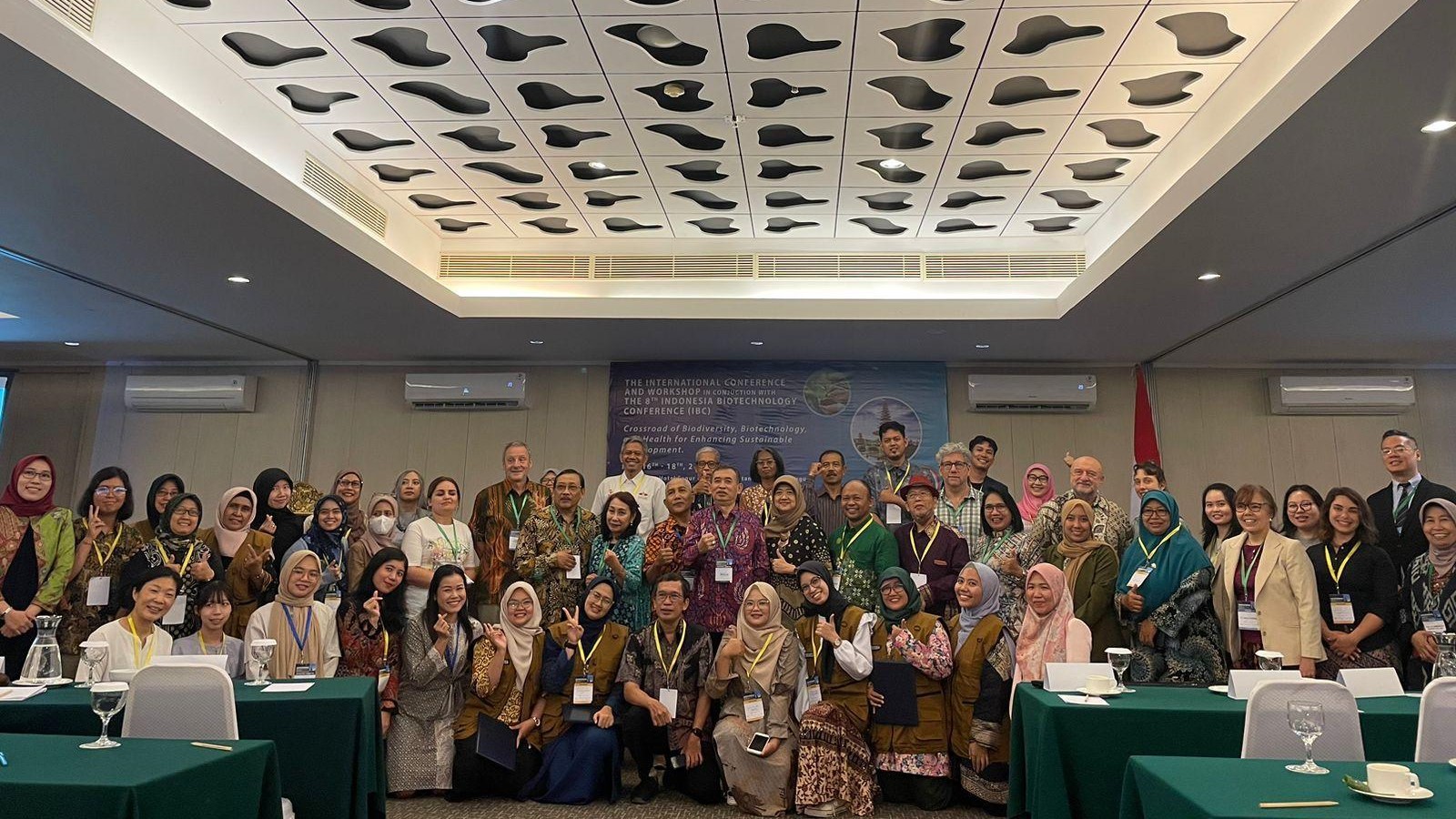
Seminar “The International Conference and Workshop in Conjunction with the 8th Indonesia Biotechnology Conference (IBC)” was held at Prime Plaza Hotel Sanur, Bali (16-18 May 2023) with the theme “Crossroad of Biodiversity, Biotechnology, and Health for Enhancing Sustainable Development”. This activity consisted of keynotes and invited speakers from various institutions and universities, such as the Indonesian Biotechnology Consortium, Ministry of Environment and Forestry, National Research and Innovation Agency, Rutgers University, Universitas Nasional (UNAS), City University New York, Kyoto University, National University of Natural Medicine, Udayana University, Louisiana State University, and Tajik National Medical University. This conference provided a forum for exchanging information on bioscience and biotechnology to address the challenges of sustainable development.

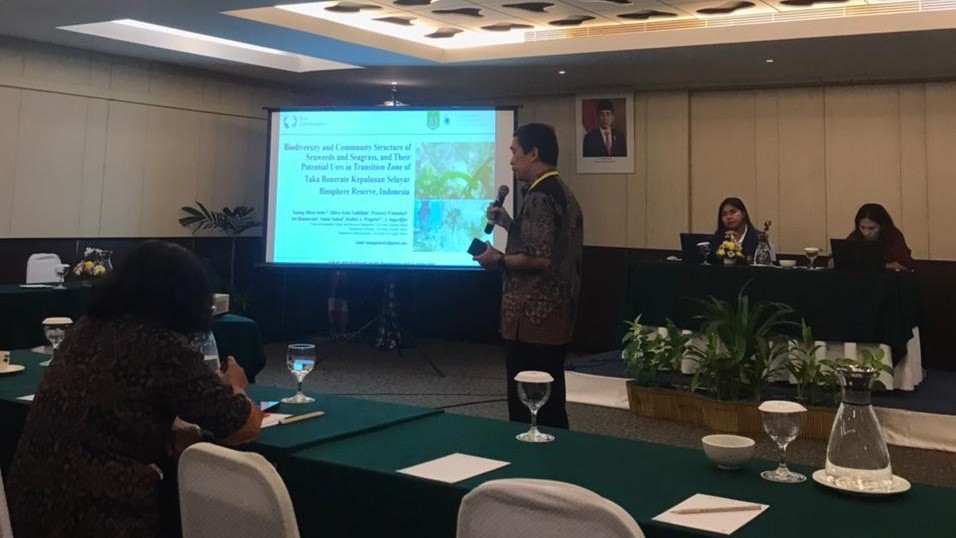
The materials presented during the conference were regarding biodiversity and its relationship or use with bioscience and biotechnology, and how the relationship between mass extinction events that are currently taking place due to global climate change, especially in plants that contain bioactive compounds that can be utilized. On this occasion, CSERM UNAS participated in the symposium through a presentation of the results of the Blue Community project entitled “Biodiversity and Community Structure of Seaweed and Seagrass, and Their Potential Uses in Transition Zone of Takabonerate Selayar Archipelago Biosphere Reserve, Indonesia” presented by Dr. Tatang Mitra Setia. The material presented was about the diversity of macroalgae and seagrass in the transition zone of the Takabonerate Biosphere Reserve and its benefits for the community, especially in the health sector.

The seagrass ecosystem in the Selayar Island can become a habitat for various marine biota, including sea cucumbers. Efforts to cultivate sea cucumbers and protect seagrass habitat will help reduce the loss of biodiversity and global climate change and contribute to the welfare of the local people of Selayar Island. At this conference, CSERM UNAS also introduced its newest program, Developing Sustainable Near-shore Sea Cucumber Aquaculture on Selayar Island, Indonesia, with support from the Biodiversity Challenge Fund, Darwin Initiative. This program will empower women in the economic development of local communities of Selayar Islands District.

News

Preliminary Study of Sea Cucumber Cultivation in Selayar Island

Published by:

The initiation of the sea cucumber cultivation program on Selayar Island by CSERM UNAS aimed to obtain initial information regarding the location of two sub-districts as the pilot locations, Bontoharu and Bontosikuyu Sub-districts, that will be the location for rearing sea cucumbers, and consolidation with key stakeholders in locations such as Bappelitbangda Selayar and the Selayar Maritime Affairs and Fisheries Service and the community leaders. Both sub-districts are located in the central, western and southern Selayar Island, including several small islands around it.

The visit to Bontosikuyu Sub-district (10 May 2023) covered three villages: Tile-tile Village, Lantibongang Village, and Patikarya Village. These villages were chosen as representatives in this preliminary study due to the condition of the seagrass ecosystem and the experience of the community who had cultivated marine resources, including sea cucumber. The local community in Patikarya Village had bred sea cucumbers whose seeds were taken from nature, and the sea pens were located on the coast behind the local community’s houses. However, this activity had not been successful because the sea pens construction was destroyed and disappeared during the west monsoon in early 2022.

The visit to Bontoharu Sub-district (11 May 2023) covered three villages: Bontolebang Village, Kahu Kahu Village, and Bontosunggu Village. Communities in these villages also have experience growing sea cucumbers with natural seeds and also collecting sea cucumbers for resale. Sea cucumber cultivation activities have become very challenging in Bontosunggu Village because of the activities that were carried out, sea cucumbers disappeared when they were about to be harvested.

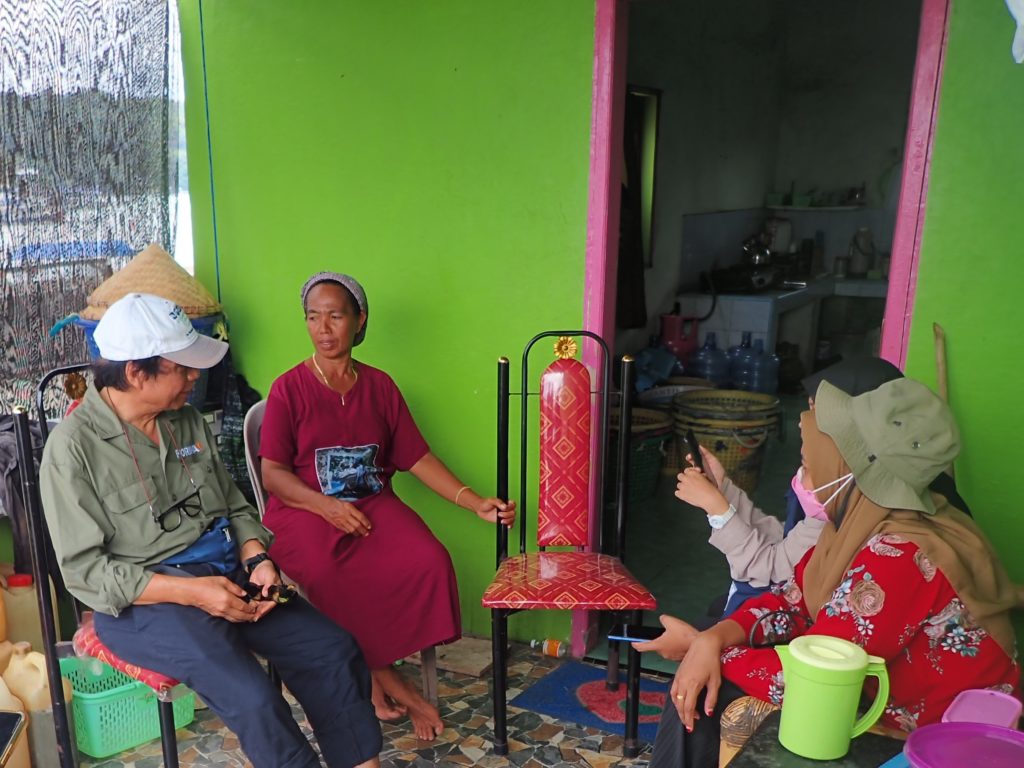
Interview with local community in Bontoharu Sub-district

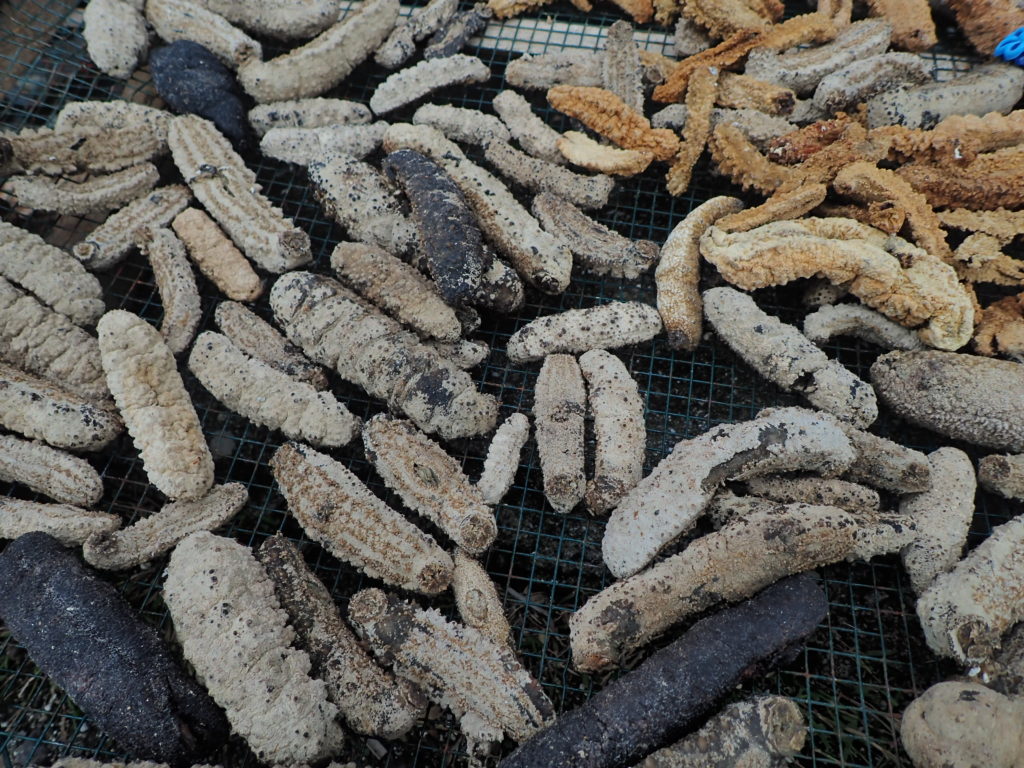
Sea cucumber in Selayar in drying process

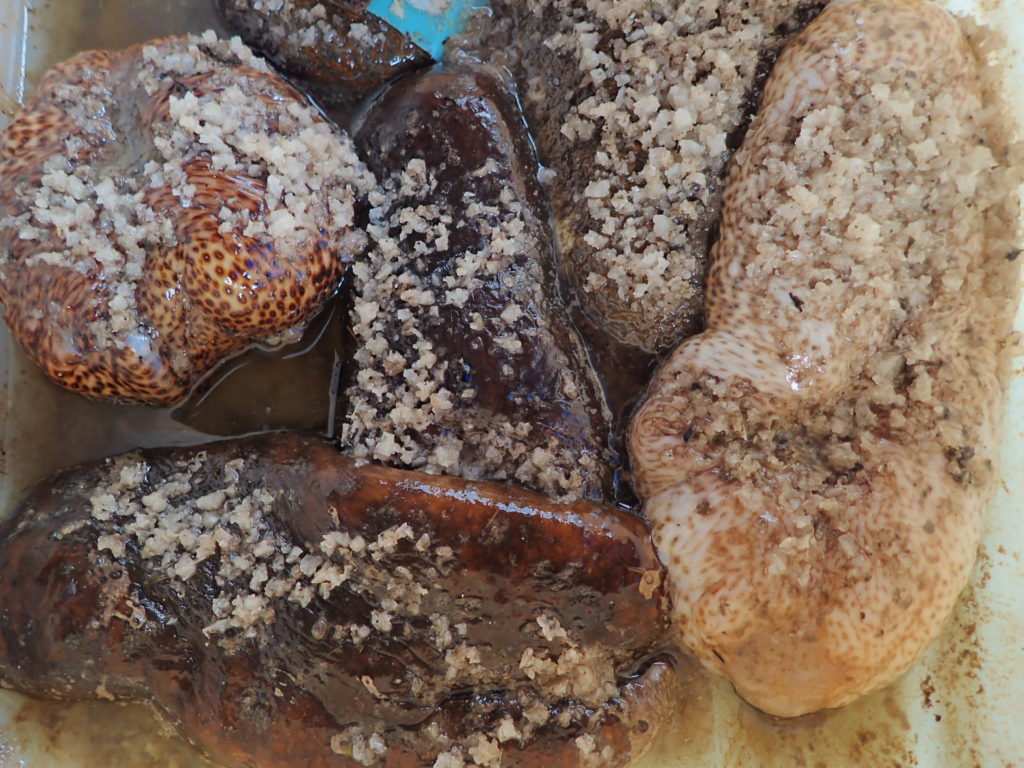
Sea cucumber in Selayar, in salt curing process

Selayar Island has high potential for sea cucumber cultivation because the ecosystem supports the growth of sea cucumbers. The types of sea cucumbers commonly found are sandfish, gamat, dongnga, the elephant trunkfish, and black teatfish. However, seasonal changes are a challenge for sea cucumber cultivators. The right method is needed so the enlargement of sea cucumbers can be successful in a sustainable manner. CSERM UNAS emphasizes the focus on sustainable sea cucumber rearing activities, using the right methods and supporting contributions to community welfare and women’s empowerment. This activity also received full support from Bappelitbangda and the Maritime and Fisheries Service, with the hope of empowering the local community, especially women, in maintaining the resilience of their households.