CSERM UNAS » Blog Archives

Author Archives: Admin Cserm

Uncategorized

Voices of Science “Saving Indonesian Orangutans”

Published by:


The deep connection between orangutans and the rainforests of Sumatra and Borneo, portrayed as both a symbol of biodiversity and a window into human evolution. Dr. Jito Sugardjito and Dr. Didik Prasetyo and their Indonesian colleagues are pioneering Indonesian primatologists who have dedicated their lives to studying orangutan behavior, ecology, and rehabilitation, despite challenges like habitat loss and illegal hunting. Protecting orangutans does not only safeguard an endangered species, but also protect entire tropical forest ecosystems.

News

Sustainable Economic Development of Coastal Communities: Increasing Tropical Coastal Women Capacity in the Cultivation and Processing of Sea Cucumber Holothuria scabra (Sandfish)

Published by:

Seagrass beds in shallow coastal waters are critical ecosystems and important for fisheries activities, including the wild collection of invertebrates using simple tools or bare hands, known as ‘gleaning.’ Gleaning provides an important supplementary source of income and sustenance. This is a common activity across Sulawesi, Indonesia, including the Selayar Islands Regency. Women are typically dominant in gleaning, providing the daily needs of their families by collecting edible macroinvertebrates, seagrass-associated fish, seaweed, and seagrass fruit. A healthy seagrass ecosystem provides a wide range of species for collection, but overexploitation can pose risks to the long-term health of seagrass ecosystems.
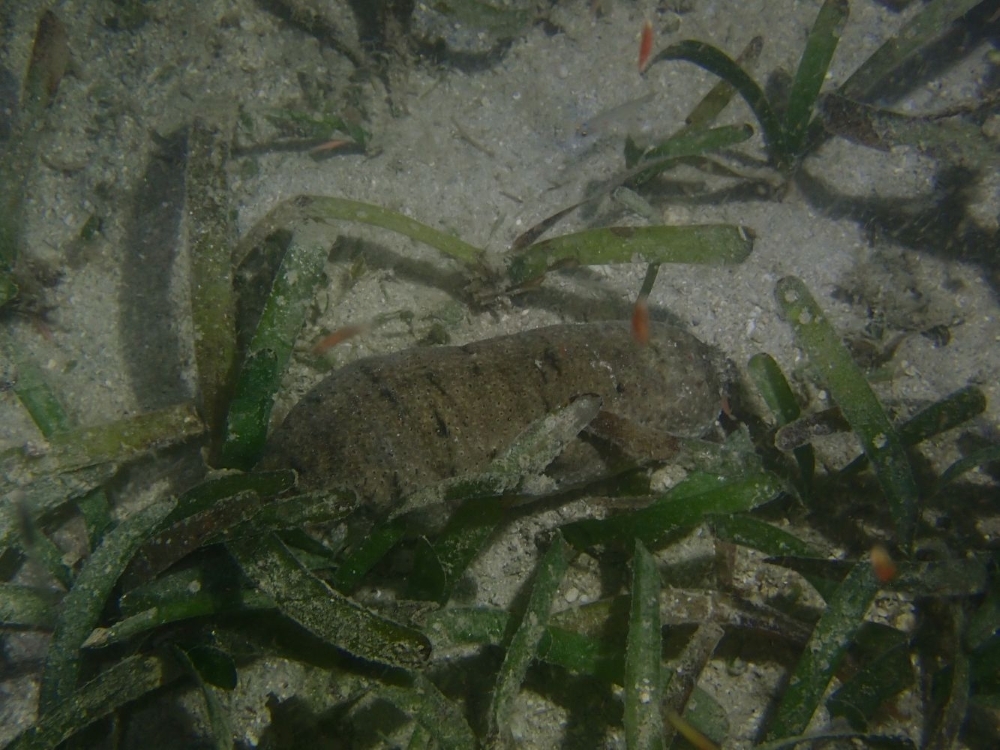
Sandfish (Holothuria scabra) in their natural habitat, seagrass beds

To better maintain seagrass beds and their biodiversity, the cultivation of sea cucumber Holothuria scabra (sandfish) utilizes the natural habitat of this species as a productive method of habitat conservation, providing income for local communities while ensuring the ecological integrity of seagrass beds. Sea cucumbers often constitute the largest biomass in seagrass beds, and can be considered as the seagrass ecosystem engineers. Their burrowing, feeding, and locomotion help drive seagrass growth by aerating sediment and encouraging nutrient cycling, with larger sea cucumber populations correlating positively to enhanced seagrass growth and vitality (Arnull et al., 2021). This creates a positive feedback loop for local communities, with increased sea cucumber production supporting other economic activities, including coastal fish stocks.
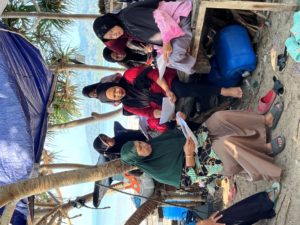
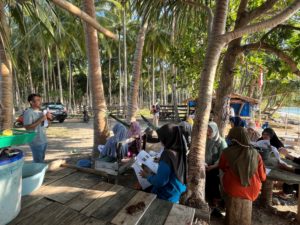
Women in coastal communities of Selayar participated in sea cucumber cultivation training

The sandfish cultivation carried out in the Selayar Islands is aimed at high female involvement. In addition to gleaning, many coastal women also manage households, raise children, and earn additional income from small home enterprises. Many coastal women depend on men’s income, which is mostly obtained from fishing. This makes women increasingly vulnerable in more uncertain economic conditions. With sandfish cultivation activities, coastal women in Selayar Islands can increase their capacity and capability in maintaining family resilience through additional income, as well as contributing to improving the health of coastal ecosystems, especially seagrass beds.
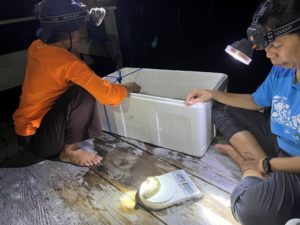
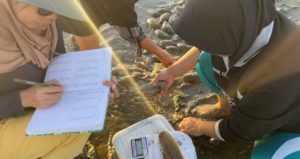
Local women of Selayar coastal communities took part in monitoring sea cucumber growth

The sandfish cultivation in the Selayar Islands specifically targets local women, who are traditionally responsible for seagrass ecosystems and gleaning activities, in addition to their roles in childcare, household management, and household SMEs. Increasing their income from sandfish cultivation is intended to reduce dependence on male breadwinners’ income from fishing and increase the economic independence of women in the local community. Through participating in sustainable sandfish cultivation, local women are able to support their families while contributing to biodiversity conservation and habitat management.
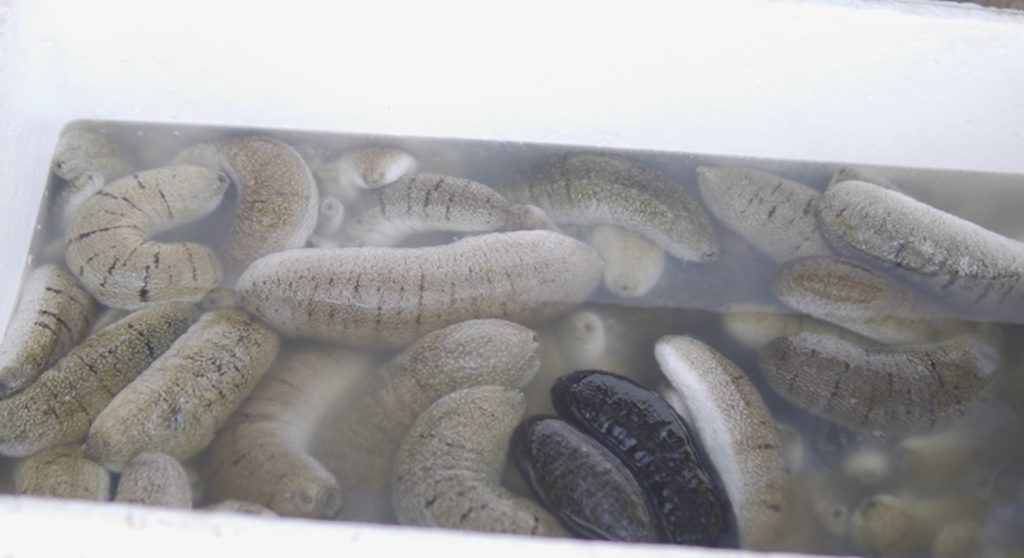
Harvested sandfish in Selayar

In the sustainable sandfish cultivation program in Selayar Islands, female participants receive training that includes knowledge and skills of sandfish cultivation, especially at the growth stage where sandfish are raised in sea pens until they reach the harvestable size. Sea pen nets should be cleaned regularly to ensure that water flows in and out of the sea pen smoothly, bringing nutrients needed by sandfish to grow well. These women are involved in maintaining the cleanliness of the sea pens and monitoring the growth of sea cucumbers, harvesting, and post-harvest processing. Female participants take part in sea cucumber processing training to ensure that the sea cucumbers produced meet export quality. By providing these training programs, the development of a locally sustainable sea cucumber aquaculture in seagrass habitats centered on female economic empowerment will provide a stable, high-value supplementary income for coastal communities.
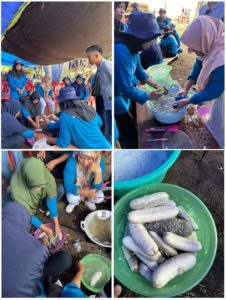
Training of sandfish processing for the women in coastal communities of Selayar

For the economic sustainability of sandfish cultivation, a cooperative was established with the majority of management and membership consisting of coastal women. The cooperative manages and develops existing sea pens in locations spread across the Selayar Islands coast during the project, with the aim of expanding further to new locations. The establishment of a local cooperative will assist the involved communities with site management, facilitate profit-sharing among households, and increase overall community resilience to potential disruptions. Best practices for sandfish cultivation management and regulations will be developed based on input and experience during the project. The scale of activities is expected to grow sustainably, to promote womens’ inclusion, and to increase economic and ecological benefits across Indonesia’s coastal area.


Reference:

Arnull, J., Wilson, A. M. W., Brayne, K., Dexter, K., Donah, A. G., Gough, C. L. A., Kluckow, T., Ngwenya, B., Tudhope, A. 2021. Ecological co-benefits from sea cucumber farming: Holothuria scabra increases growth rate of seagrass. Aquat. Environ. Interact. 13: 301–310. doi: 10.3354/aei00409


Written by: Qurratu Ainin & Chris Kelly

This article was also submitted to Darwin Initiative’s newsletter with a brief modification.
News

Local Communities Participation in Sea Cucumber Aquaculture Innovation – Overcoming Seasonal Challenges in Selayar Islands, Indonesia

Published by:

Millions of Indonesia’s people have been relying their livelihood on coastal ecosystems such as mangrove forests, coral reefs and seagrass beds. Yet, these vital habitats are threatened with the increasing pressure on Indonesia’s coasts, from overexploitation and population growth, undermining the traditional livelihoods viability. Collaboration with local communities for innovation is essential to maximize sustainable utilization of critical marine resources and habitats.

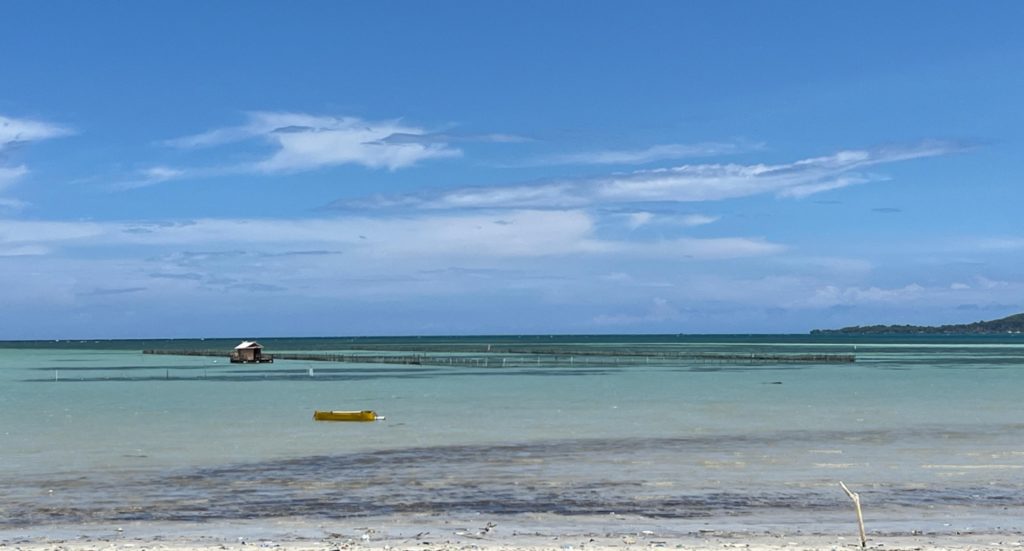
A sea cucumber sea pen in Selayar

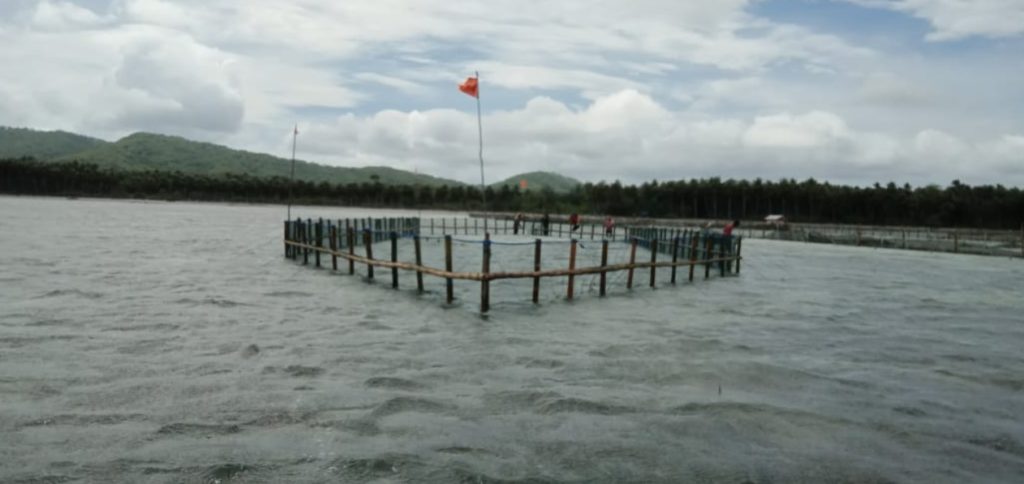
‘Blue carbon’ sea cucumber aquaculture is being developed as a sustainable method to conserve critical seagrass habitat while providing an important source of income for local communities of Selayar Islands, located in South Sulawesi. Sea cucumber harvesting was traditionally conducted directed from the coastal environment, driving population collapse through overexploitation. This program is designed to re-establish local communities as custodians of seagrass habitat, harvesting the bounty that they help preserve. A number of sea cucumber aquaculture sites have been set up across Selayar Islands, as pilot projects and training centres for local women to optimise their sea cucumber industry.

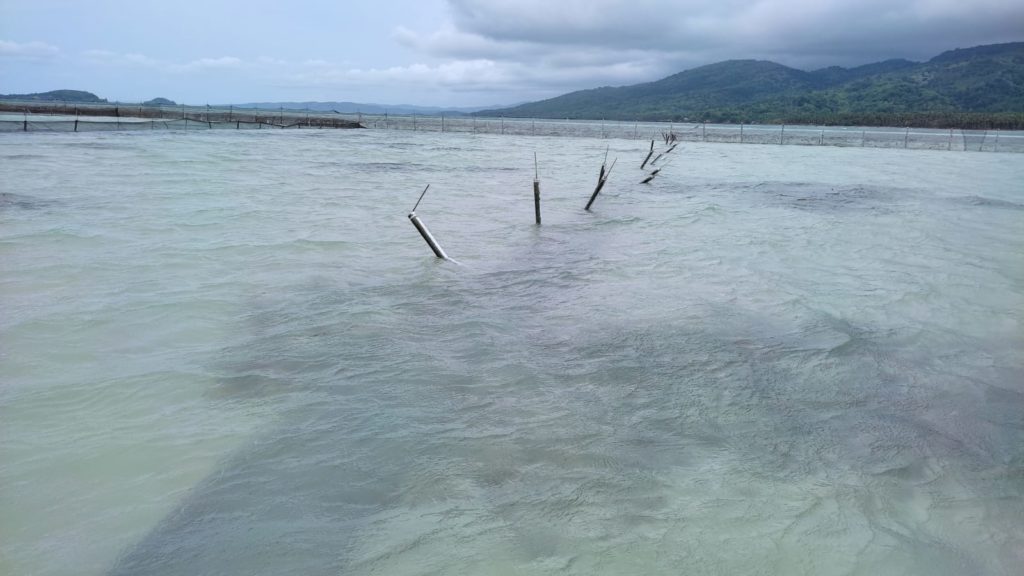
However, if the blue carbon sea cucumber industry is going to establish itself as a regionally significant supplier and example for communities elsewhere, an effective scale-up is necessary. Traditional aquaculture structures using wood and stone, or even modern materials such as concrete, are too easily damaged by strong waves, limiting the scale of these activities to villages located in sheltered bays, or on coastlines shielded by adjacent islands from Selayar’s seasonal storms. This leaves large areas of Selayar’s coastline under-utilized, and more likely to be overexploited than carefully managed. Opening up these vast areas of ‘exposed’ seagrass beds would not only provide additional productive capacity, but also integrate more coastal habitat within a coordinated management plan as part of the Selayar Islands-Taka Bonerate Biosphere reserve.

Destroyed sea pen poles

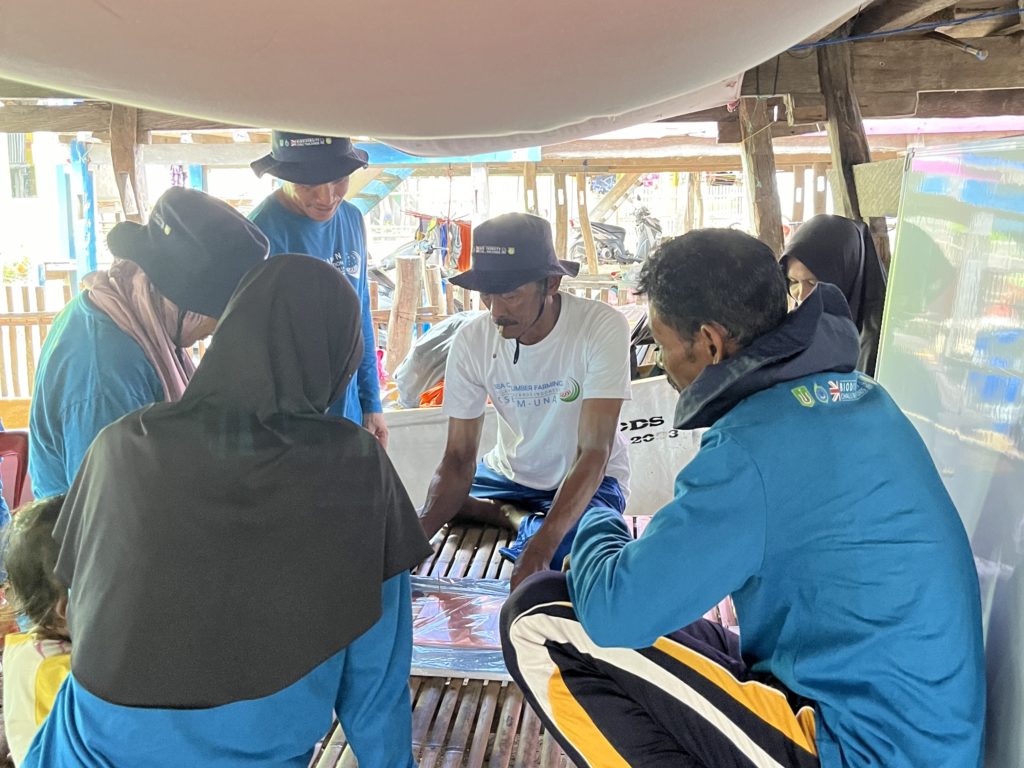
To find innovative solutions to this challenge, the CSERM-UNAS team has initiated collaborative design workshops with local community partners across Selayar Islands. These workshops focus on identifying potential risk factors, key design considerations, and developing concepts designed to facilitate expanded blue carbon sea cucumber cultivation, without exposing participating communities to additional operational or financial risk.

Local communities brainstorming for sea pen design modification

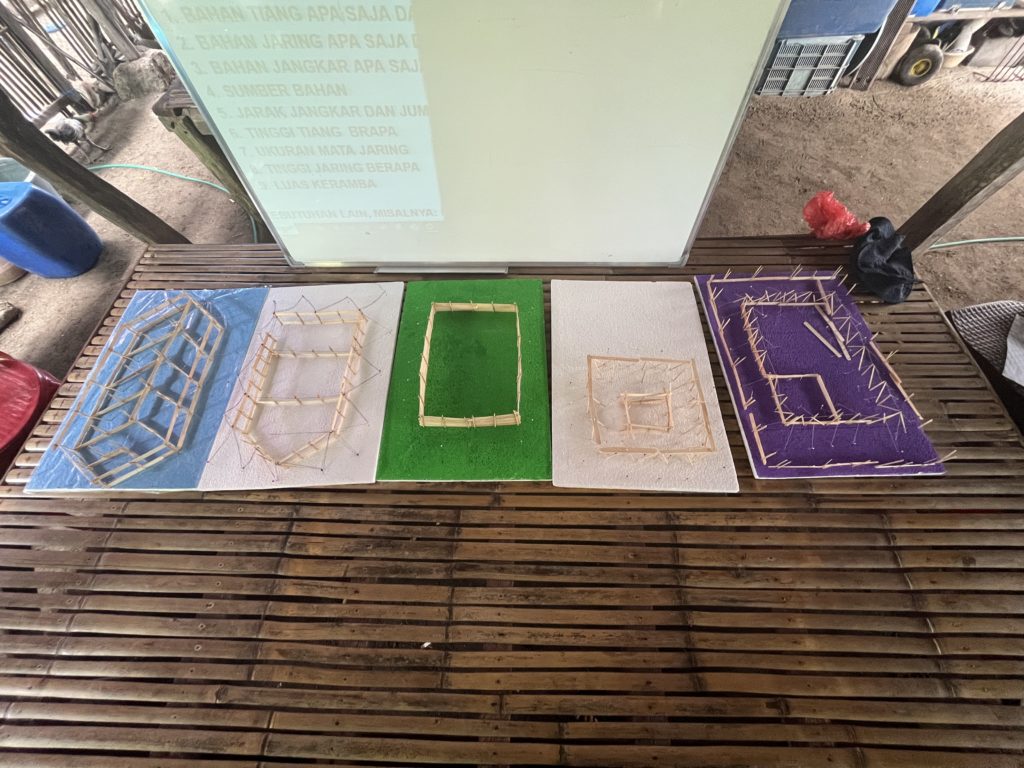
The preliminary workshops have identified a range of significant risk factors for coastal sea pens, from direct wave damage to the oceanic plastic debris buildup, and the impacts of large pieces of floating material such as fallen tree trunks. They have also produced several experimental sea pen prototypes designed to be more resilient, while improving aquaculture operations. These prototypes are built upon local knowledge of available construction materials, and experience working in the coastal environment developed over many generations, combined with technical assistance from the CSERM-UNAS team. Five of these prototypes have been deployed for preliminary field testing at locations across Selayar Islands.

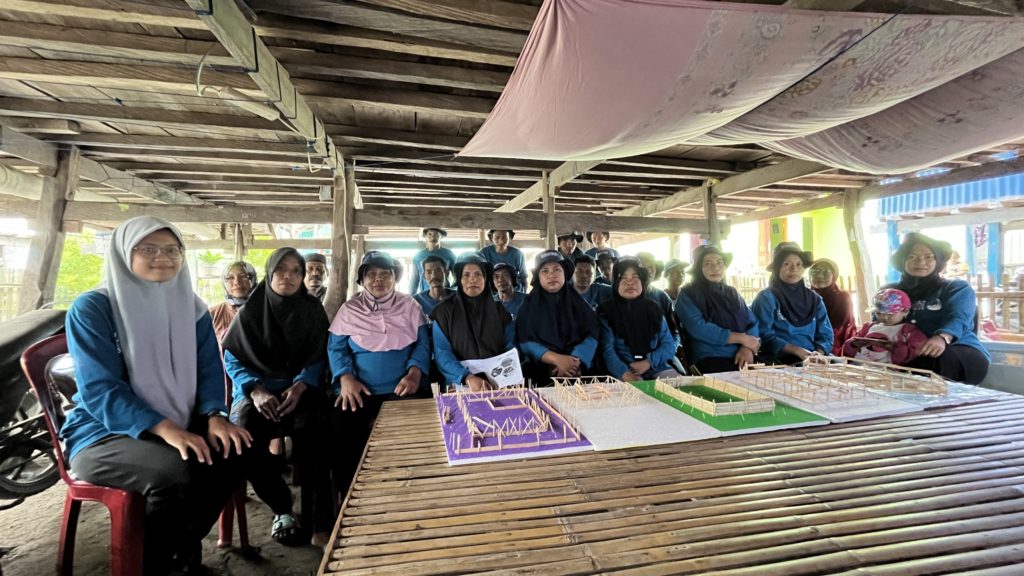
Local communities with sea pen design modification

Each location in Selayar has its own characteristics. “The problem in our location is the impact of wind and waves when the seasons change. The design modification we made aims to break the waves so that damage can be minimized, while adapting the bamboo material to be more flexible,” said Mr. Demmananring, from Lowa Village. “The trash that comes along with the changing season is also a concern for us, so we made modifications to the design of the sea pen pole which is able to hold the trash not to enter the sea pen,” said Mr. Densi from Kahu Kahu Village. Female participants were also involved in the design modification workshop, providing ideas and compiling the designs of sea pen modification.

Sea pen modification design by local communities

Further modifications are planned as the project progresses, to ensure local community partners inherit the capacity and capability to make the most of their rich coastal ecosystem sustainably. These include collaborations with traditional architectural experts and investigations of alternative construction materials to develop temporary structures to be deployed outside of the severe weather season, or more permanent ‘wave-proof’ structures. Combining traditional knowledge of materials and construction methods with contemporary design principles and production techniques, is intended to inspire a new generation to pursue scalable innovations with real local impact.

Modified sea pen in Lowa Village

The success of this collaboration depends not only on the capacity of these new designs to remain resilient to storm and wave damage, but also on the new dynamics established between CSERM-UNAS field team members and Selayar’s local communities. Rather than being passive recipients of external assistance, they have become truly equal partners in the co-production of critical knowledge and skills which have helped them survive for generations.


Written by: Chris Kelly & Qurratu Ainin

This article was also published at Darwin Initiative’s website with brief modification.

News

Ecobrick Festival: Raising Awareness of Minimizing Plastic Waste through Ecobrick

Published by:

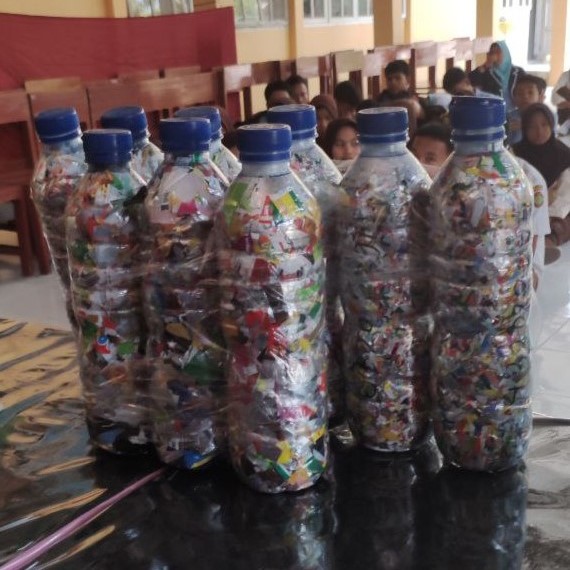
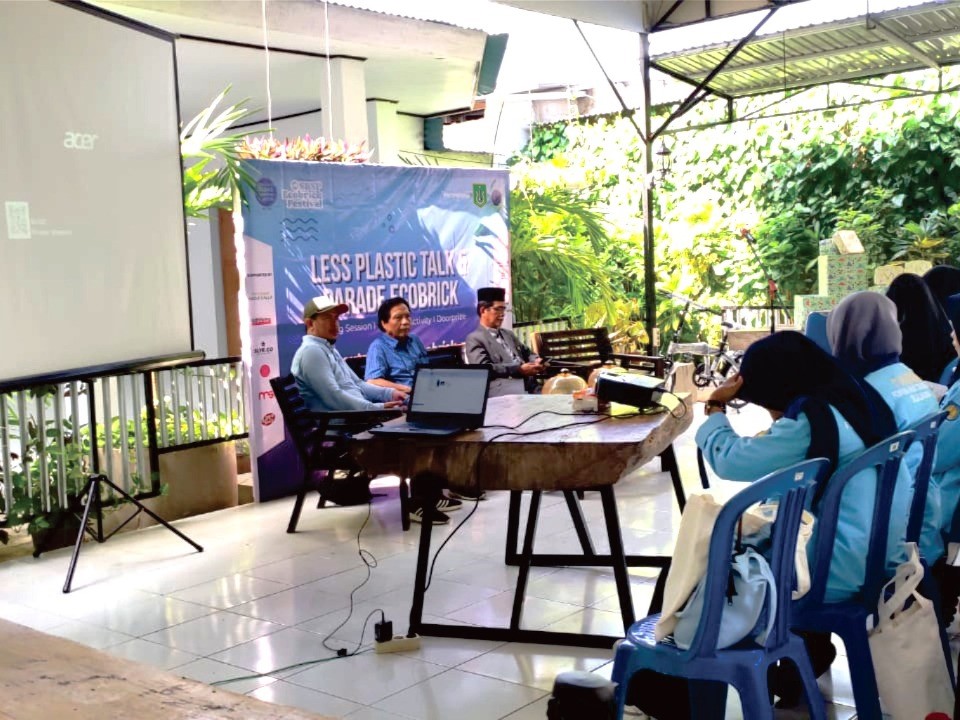
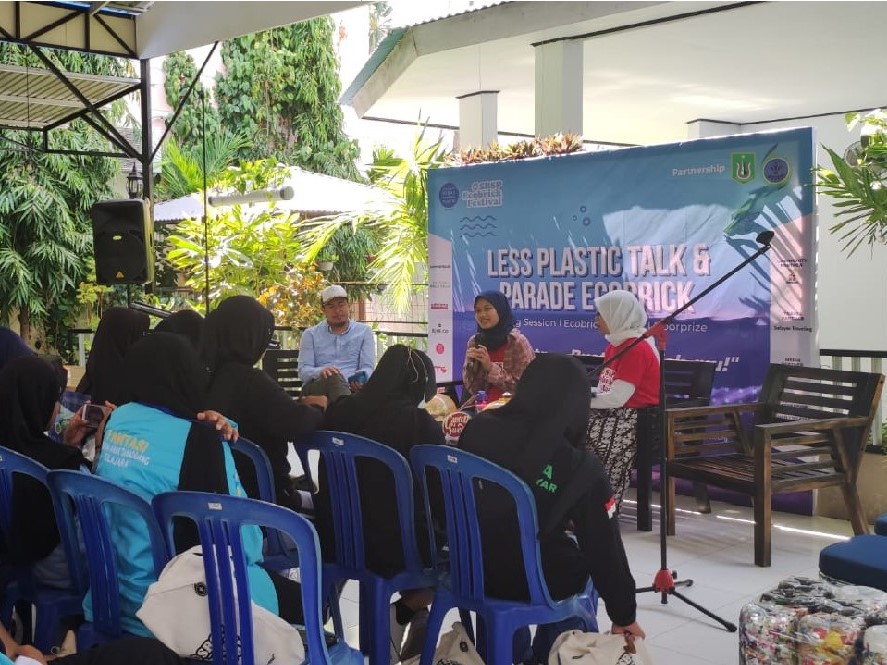
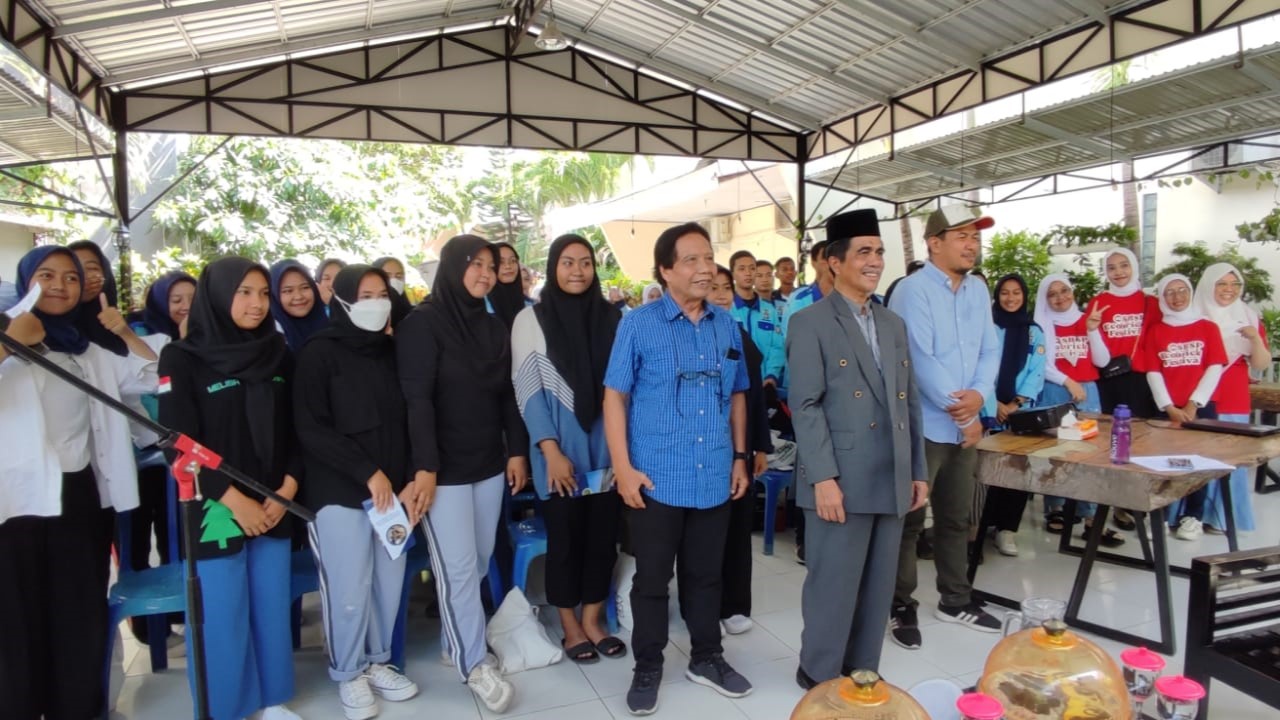
CSERM UNAS collaborated with Selayar Bebas Sampah Plastik (SBSP – Plastic-waste Free Selayar) in the Ecobrick Festival, from 26 October to 5 November 2023. The theme of Ecobrick Festival this year is ‘Protect Your Ocean, Make Your Ecobrick’. This year’s Ecobrick Festival carried the theme of the importance of protecting the ocean from plastic waste, and one of the efforts is making ecobrick to prevent plastic waste from ending up in the ocean. CSERM UNAS participated in this activity as an institution that actively conducts research and development as well as community service, in line with the efforts to develop sustainable sea cucumber aquaculture in Selayar.

In the Ecobrick Festival, CSERM UNAS introduced the ongoing sea cucumber cultivation activities in Selayar, as well as the importance and high correlation between a plastic waste-free environment and sea cucumber cultivation. CSERM UNAS and SBSP held a sharing session with the participants, mostly high school students, regarding the importance of protecting the ocean from plastic debris and efforts to reduce the impact of plastic waste. Dr Sugardjito, CSERM UNAS Director, and Qurratu, project manager of sea cucumber aquaculture development in Selayar, delivered a talk on the threat of plastic waste to marine living resources and the role of youth to campaign to clean the ocean from plastic debris.

Since plastic takes a relatively very long time to decompose, during the process it can be broken down into smaller pieces until it is categorized as microplastics. According to research, microplastics were found in the edible parts of sea cucumbers, including those that are found around Tidung Island, Bira Island, and Bintan Island. This serves as a crucial warning that plastic debris poses a threat to the long-term viability of sea cucumber cultivation.

CSERM UNAS synergizes with SBSP as the local NGO with shared values regarding integrated environmental management, in this case plastic waste. Along with increasing awareness of the importance of protecting the ocean from plastic waste, there is hope for enhancing the sustainability of coastal and marine ecosystem services, particularly in Selayar, which will maintain the sustainability of coastal communities’ livelihoods and wellbeing.